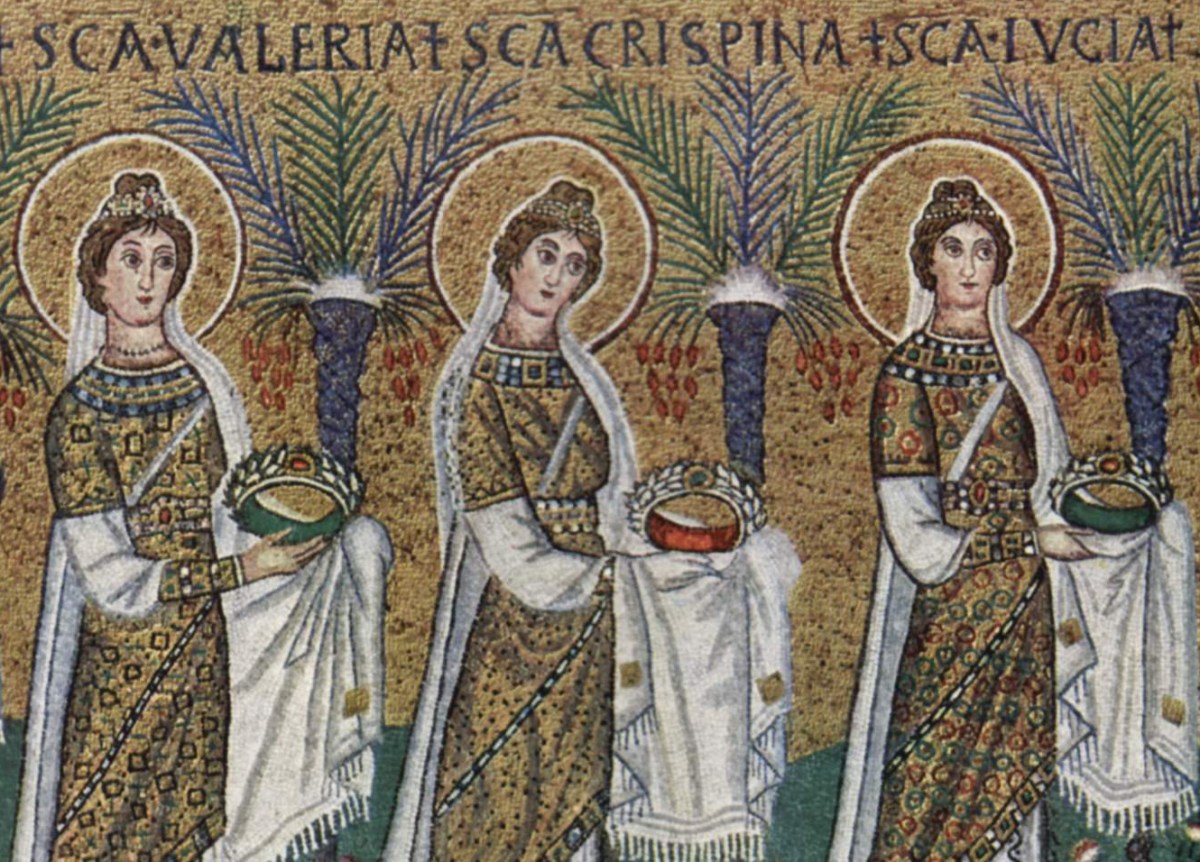
The “Roman Martyrology” tells us that Saint Crispina “preferred heaven to earth, and God to the world, and, despising the tears of her children, rejoiced to see herself taken and called to confess Jesus Christ on a scaffold.”
That sounds like a woman DONE with parenting, done with late-night crafts projects because SOMEONE forgot to mention it until 7.30 p.m., done with finding noses and hiding tooth fairy money and looking for the missing mates of too many socks. Whoever her husband was is never mentioned, and that’s probably part of the problem, too. “IF I HAVE TO SHUT ONE MORE CABINET DOOR,” I imagine her saying, eyes pressed tightly together like hands in a desperate prayer.
“Crispina, flushed with joy, gave thanks to God and was led to execution.”
She was beheaded on the 5 December in the Year of Our Lord 304.
It can be tough to keep up with Bibiana’s mother’s head.
In one story, she, Dafrosa, keeps it, squarely on her shoulders, where one expects a head to be. She dies, as happens, how, we don’t know, and Bibiana buries her inside their house, next to the body of her sister, who died too. After being martyred, Bibiana is also buried in the house, next to her mother and sister, so that now the house is too full of corpses and it will be tough to sell, one would imagine, to a family interested in a finished basement.
Julian the Apostate.
In another, however, Bibiana’s mother is beheaded after her husband is sent into exile, all over something as silly and important as Christian belief. (Julian the Apostate is behind all this buttoning and unbuttoning; in any story about Bibiana he is the one constant. He was a pagan, “but in a cool way, like, intellectually, not just a guy with runes who likes to recycle.”) Dafrosa is beheaded, and Bibiana and her sister Demetria are stripped of everything but their own hunger and their own virginity — which is more than a little at a time when virginity oh who am I kidding, virginity holds its value even up unto today.
Both Bibiana and her sister are dragged before Julian to repent of their devotion to the One True God, but they don’t. Or can’t, both are starving and can barely stand in front of the crowd. Demetria gasps out her love of Christ, and dies immediately afterwards, so no sainthood for her, since death came too easily.
It gets worse for Bibiana:
A lesbian named Rufina attempts to seduce her, moves on to beating when seduction won’t work, before finally sending her to be scourged to death by a whip with lead plummets.
(We’re told a man named Apronianus, whom Julius named governor, lost an eye, one assumes carelessly, I mean, how could it happen, save through sheer unwatching, but nevertheless and blinded in one eye it was Apronianus who began the Christian persecution, confusing them with witches, because of the power of prayer.)
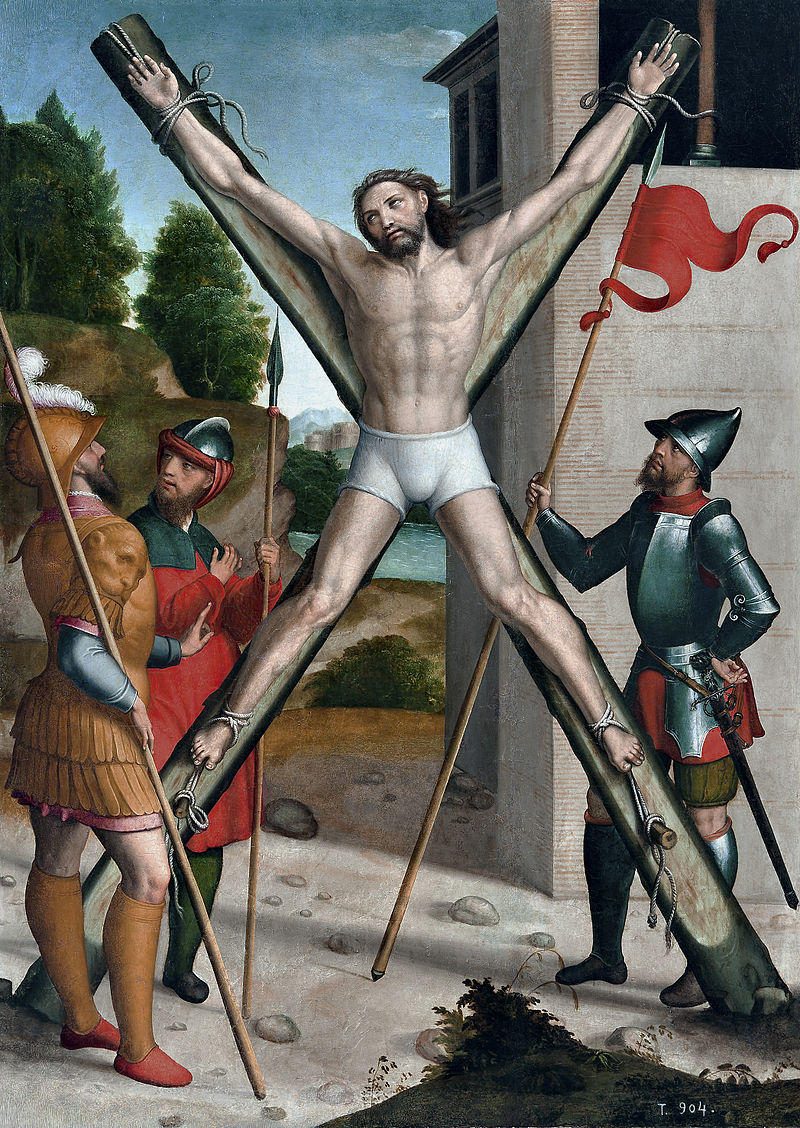
Pieces of Andrew are spread all over, like morsels of bread that guide us somewhere. Some of his bones — a pinkie, the top of his cranium — are in Greece, along with bits of the cross on which he was martyred. Some of him found their way to Italy, in the Amalfi Cathedral, after a sojourn in Constantinople. Maybe the Empress Helena had them gift wrapped before sending them off, though even more likely is that towards the end she was sick of saints’ bones rattling around the imperial treasury, croaking in the way bones do, about where they’ve been and what they’ve suffered. And Andrew suffered so much.
A man named Regulus took to sea with a kneecap, an upper arm bone, three fingers and a tooth, presumably St Andrew’s, though how could he know? Regulus dreamt once to hide Andrew’s bones, and then dreamt again to sail with them, as far West as he could go, “to the ends of the earth,” which ended up being Fife, as seemed only fitting, where he was shipwrecked, there being little else to do in Fife. The dream instructed Regulus to build a shrine to Saint Andrew, so he did.
Sometimes there are always baths, always baptisms.
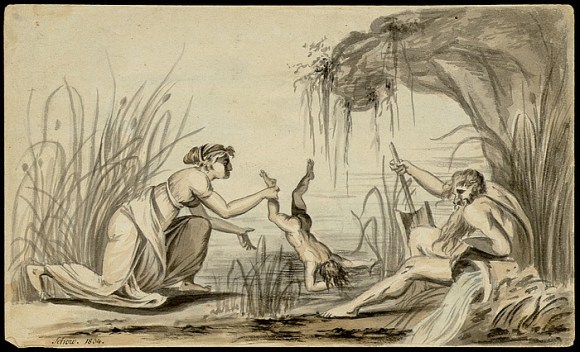
The nereid Thetis dipped her son Achilles into the river Styx, but only up to his heel, but only upside down, and he was a Good Strong Son until he wasn’t.
(Achilles, whom we’re not interested in, as far as this post goes, is older than he knows, and probably started as a minor river deity before he settled into the lover of Patroclus. Achilles’ name echoes Acheron, one of the five rivers in Hell, and echoes Achelous, demoted from God of All Waters to simply a river spirit, but we should think on him sometimes as we think on ozymandiously of those who withered before us.)
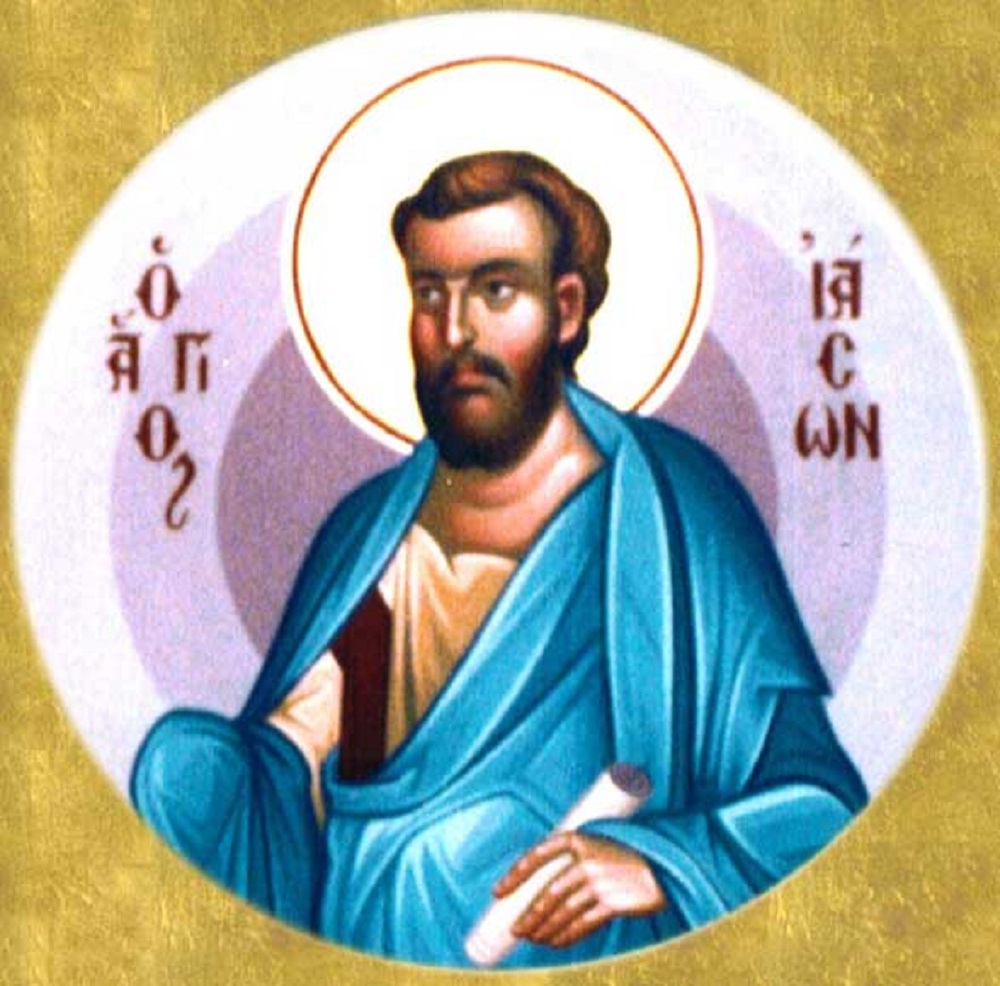
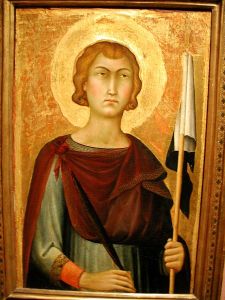
Maxima, a Roman nurse, probably a slave, but a Christian, secretly baptized her charge, Ansanus, dipping him, like bread into an eggwash, in the God-rich waters of a river, sealing God’s love and holiness within.
Ansanus, later, and heedlessly, the way all good saints do, professed his Christ’s Love so loudly in the last days of the Diocletianic persecution that there was nothing much left to do but arrest and execute him. He implicated Maxima, old Maxima, in his passionate joy and she, who cared for him so dearly, died dearly, too. She watched him scourged, skin flaking like a pastry, before being scourged herself, martyred all at once and much too completely.
The scourging didn’t kill Ansanus, made of sterner stuff, maybe protected like a shield from the baptism, the way Achilles was shielded, until he wasn’t. Thrown in a pot of oil like a marrow bone, he survived that too, eventually meeting his savior in death’s embrace via beheading.
We think of them both, nurse and boy, on this day, their Day of Martyrdom.







 Maxima, a Roman nurse, probably a slave, but a Christian, secretly baptized her charge, Ansanus, dipping him, like bread into an eggwash, in the God-rich waters of a river, sealing God’s love and holiness within.
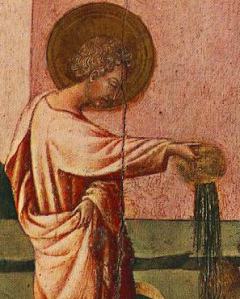 The scourging didn’t kill Ansanus, made of sterner stuff, maybe protected like a shield from the baptism, the way Achilles was shielded, until he wasn’t. Thrown in a pot of oil like a marrow bone, he survived that too, eventually meeting his savior in death’s embrace via beheading.
 How to Read: with Mike Bevel